
Cystic Acne (Deep, Painful Pimples)
What is the problem?
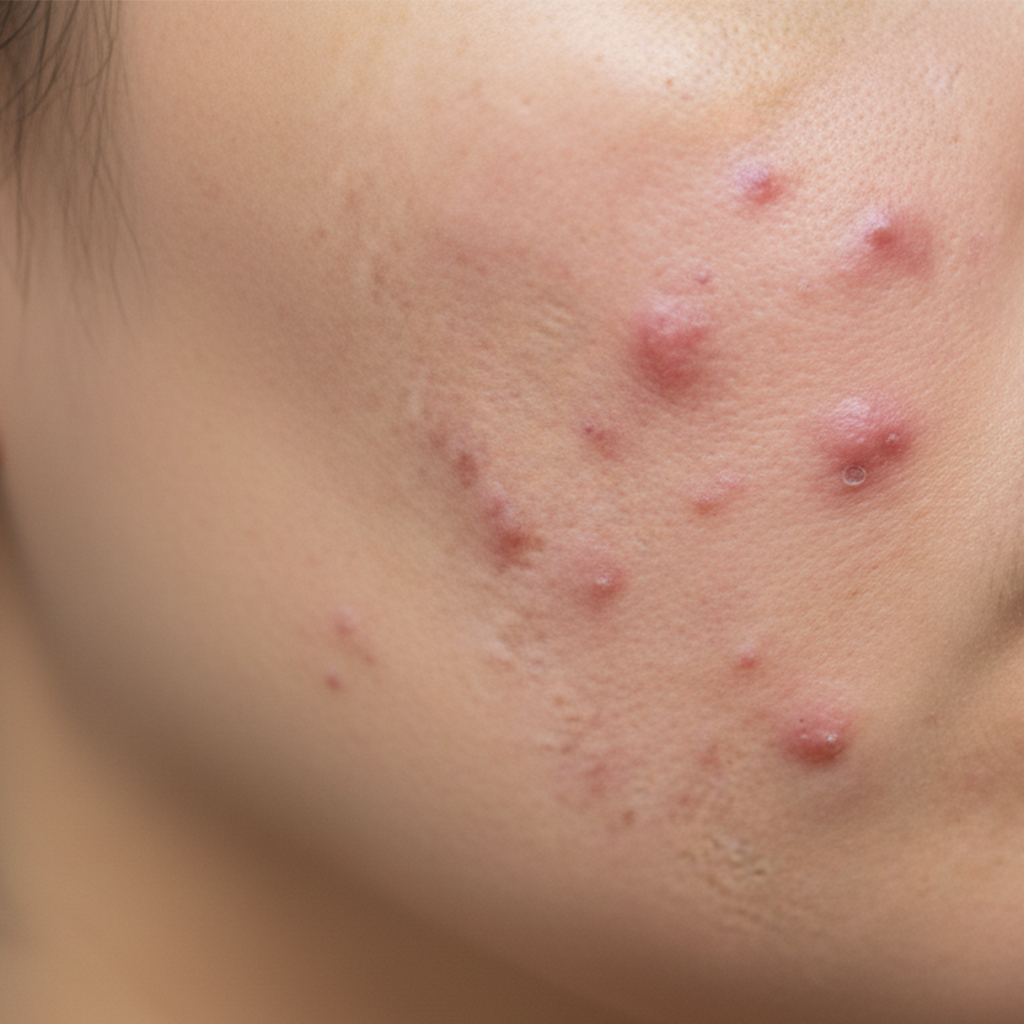
Cystic acne is one of the most severe types of acne. Unlike small pimples or blackheads, cystic acne appears as large, swollen, red bumps deep under the skin. These bumps are painful to touch and can stay for weeks or even months. Because they form so deep in the skin, they often leave behind scars or dark marks after healing.
Many people with cystic acne feel not only physical pain but also emotional stress. It can lower self-confidence, make you avoid mirrors, or feel embarrassed in social situations.
What causes cystic acne?
Cystic acne is usually caused by a mix of internal and external factors:
- Excess oil production – When sebaceous glands make too much oil, it mixes with dead skin and clogs pores.
- Bacteria growth – Trapped oil becomes the perfect home for acne-causing bacteria, leading to inflammation.
- Hormonal changes – Fluctuations during puberty, menstrual cycles, stress, or lifestyle changes can trigger breakouts.
- Genetics – If your parents had cystic acne, you may be more likely to experience it too.
- Lifestyle habits – Lack of sleep, high-stress levels, certain diets (like high sugar or dairy), and improper skincare can make acne worse.
Because cystic acne forms so deep, normal over-the-counter creams or face washes often do not reach the root cause.
How to fix the problem?
Treating cystic acne needs patience, the right skincare, and sometimes professional treatments. Here’s how you can manage it:
- Avoid picking or squeezing
It may feel tempting to pop the pimple, but this only pushes bacteria deeper, causing more swelling, scarring, and even infection. - Gentle skincare routine
Use a mild, non-comedogenic cleanser to keep skin clean without stripping its natural barrier. Harsh scrubs or too much exfoliation can make cystic acne worse. - Targeted treatments
Ingredients like salicylic acid, benzoyl peroxide, and retinoids can help with acne, but cystic acne often needs professional care beyond home remedies. - Healthy lifestyle adjustments
Reducing stress, getting enough sleep, drinking water, and eating more skin-friendly foods (less fried and sugary items, more greens and lean protein) can help your body regulate itself. - Professional treatments
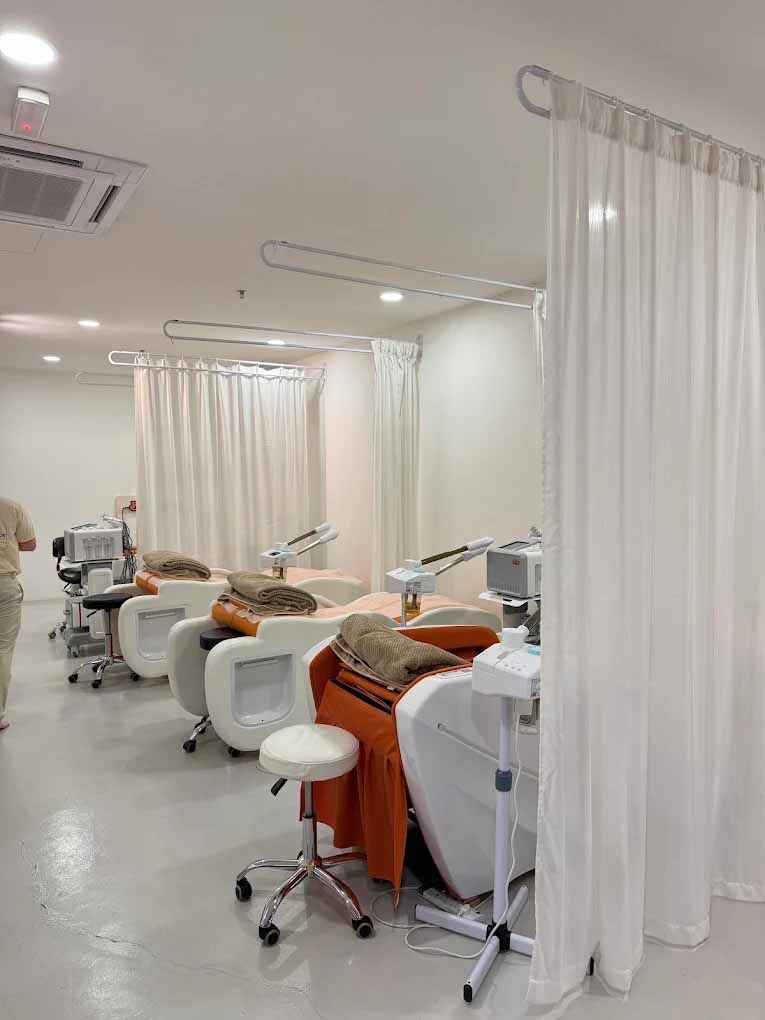
Since cystic acne sits deep in the skin, treatments like microneedling, DPL light therapy, or deep-cleansing facials are often more effective. They help reduce inflammation, kill acne-causing bacteria, and repair the skin from the inside out.
BeautyMau’s Recommended Service
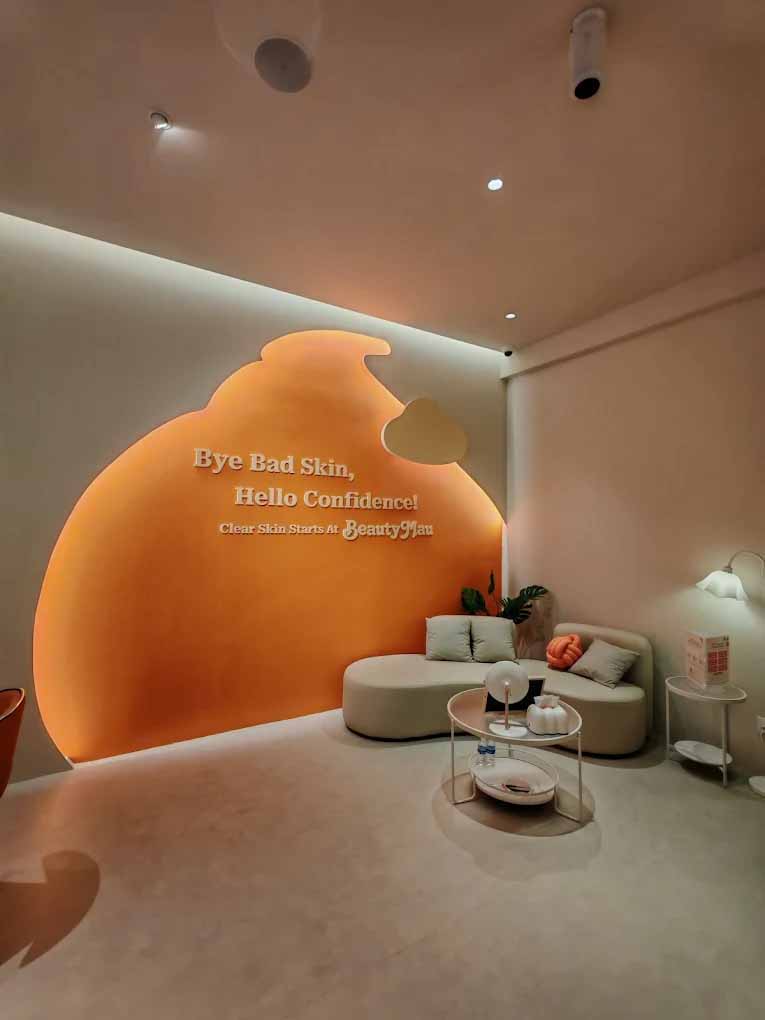
At BeautyMau, we understand how painful and frustrating cystic acne can be. Our approach is not just about treating the surface, but healing the skin step by step.
- Intensive Medical Treatment – controls infection, reduces swelling, and prevents new breakouts.
- Signature Algae Detox Treatment – deeply purifies pores, reduces oil, and soothes active inflammation.
- Clarifying Acne DPL Treatment – light-based therapy to reduce redness, calm active acne, and speed up healing.
At BeautyMau, every treatment is personalized. Our team looks at your lifestyle, skin habits, and work environment before recommending a solution. That way, you don’t just get temporary relief—you get a long-term plan to help your skin stay clear and confident.
Final Thought
Cystic acne may feel overwhelming, but it is not impossible to treat. With the right care, lifestyle changes, and professional support, your skin can heal, scars can fade, and your confidence can return.
If you’re ready to take the first step, book a consultation with BeautyMau today. We’ll help you find the treatment that matches your skin’s needs—so you can say goodbye to painful cystic acne and hello to healthier, smoother skin.